






E5 removals compliance with Hackney skip and disposal rules
Posted on 30/07/2026

If you are planning a move in Clapton or anywhere in E5, the disposal side of the job can get messy fast. Boxes pile up, furniture needs shifting, and suddenly you are trying to work out whether a skip, a van load, or a bulky waste collection is the safest route. E5 removals compliance with Hackney skip and disposal rules is really about keeping that part of the move legal, tidy, and efficient without creating fines, delays, or avoidable stress.
Done properly, it saves time and keeps neighbours, landlords, and building managers happy too. Done badly, it can turn a straightforward move into an awkward scramble. In this guide, we break the process down in plain English: what compliance means, how disposal normally works, where the risks sit, and how to plan your move so waste handling feels controlled rather than chaotic.
Why E5 removals compliance with Hackney skip and disposal rules Matters
At first glance, waste disposal feels like the least exciting part of moving. Truth be told, it is also one of the easiest places to make an expensive mistake. In E5, space is often tight, parking can be awkward, and many properties involve shared entrances, narrow stairwells, or controlled access. That means skips, loading, and disposal need a bit of planning rather than a last-minute guess.
The main reason compliance matters is simple: you are responsible for where your waste goes. If a load is dumped incorrectly, mixed with prohibited items, overfilled, or left where it should not be, the problem can come back to you. That applies whether you are clearing a flat, a family house, or an office that has been full of old desks and broken chairs for years.
There is also the practical side. A move already asks enough of you. Nobody wants to be standing in a hallway at 7:30 in the morning, staring at a sofa with one leg missing and wondering if it can go in the skip. Better to sort that out before moving day, ideally while you still have a bit of headspace.
Expert summary: The safest approach is to separate reusable items, recycling, bulky waste, and true rubbish before the move starts. That one habit usually prevents most compliance problems.
For local moves, it can help to think ahead about access as well as disposal. If you are reading around the topic, our guide on narrow streets and parking in Clapton and the broader bulky waste rules for removals and disposal can help you see how these issues connect in real life.
How E5 removals compliance with Hackney skip and disposal rules Works
The easiest way to understand the process is to treat it as three separate questions: what are you throwing away, how should it be removed, and where is it allowed to go? That may sound obvious, but most problems happen because people answer all three questions at once and not very well.
1. Sort items before they leave the property
Start by separating items into clear groups. A typical move creates a mix of:
- reuse items, such as furniture in decent condition
- recyclables, such as cardboard and some metal pieces
- bulky waste, such as wardrobes, mattresses, and broken shelving
- general rubbish, like torn bags, packaging, and damaged household clutter
- special items that may need extra care, such as electricals or refrigeration units
That sorting step matters because it affects what can be loaded together and what needs a different route. A bit of separation at the start can save hours later. We have seen people throw everything into one corner "to deal with later", and later, of course, is where the headaches begin.
2. Match the disposal method to the item
Not every item belongs in a skip, and not every job needs one. For example, a skip can be useful for mixed building waste, renovation debris, or a large declutter where there is no realistic reuse route. But for a normal household move, a van-based clearance, a council bulky waste service, or a reuse-first plan may be more sensible.
In practical terms, this means asking whether the item is:
- safe to load manually
- allowed in the chosen disposal route
- too heavy, awkward, or fragile for simple handling
- better reused or donated rather than discarded
That is where careful removals planning meets disposal logic. If you are working through a full household move, it can also help to read how decluttering first makes a move cleaner, because a smaller volume of waste always makes compliance easier.
3. Check access, timing, and loading space
Even when the waste decision is correct, the logistics can still fail. In E5, loading space is often limited. You may need to think about where a van can stop, whether a skip can be placed safely, and whether the building access allows a smooth carry-out. A few extra minutes checking this in advance can prevent a miserable morning of blocked entrances and irritated neighbours.
Also, remember that waste should not be left on the pavement, in a communal hallway, or on the street unless the chosen arrangement explicitly allows it. That sounds obvious, but moving day gets busy. People do odd things when pressure is on.
Key Benefits and Practical Advantages
When you handle disposal properly, the benefits go beyond avoiding trouble. A compliant plan usually makes the whole move feel calmer and more organised.
- Fewer delays: you are not stopping mid-move to work out what to do with an old bed frame or broken freezer.
- Less handling risk: separating awkward items reduces the chance of damage or injury during carrying.
- Cleaner handover: useful for tenancy check-outs, landlord inspections, and end-of-office moves.
- Lower stress: you are not trying to make disposal decisions while the van is waiting outside.
- Better value: the right method can stop you paying for unnecessary skip space or extra labour.
- More sustainable outcomes: reusable or recyclable items are less likely to go to waste.
There is a quieter benefit too: your move feels more professional. A well-managed disposal plan gives the impression that someone knew what they were doing from the start. That matters if you are moving out of a flat, clearing an office, or trying to keep a shared building on good terms.
If sustainability is important to you, it is worth looking at our page on recycling and sustainability. It sits neatly alongside sensible disposal decisions and gives a useful wider context for moving with less waste.
Who This Is For and When It Makes Sense
This guide is for anyone moving in E5 who has more than a handful of bags to deal with. That includes homeowners, tenants, landlords, office managers, students, and people clearing a property after a long period of use. It is especially useful if the move involves bulky items, mixed waste, or a tight schedule.
It makes particular sense in situations like these:
- you are leaving a flat with furniture that will not go to the new place
- you need to clear accumulated clutter before a sale or end-of-tenancy inspection
- you are replacing large items such as a sofa, bed, or freezer
- you are managing an office clearance with desks, chairs, and packaging
- you have limited time and need same-day collection or removal planning
Students moving out of compact properties often face the same issue in miniature. Not much space, lots of mixed items, and very little patience. If that sounds familiar, the local guidance on student removals in Clapton may be more useful than you expect.
And if you are moving a full home rather than just clearing a room, our pages on house removals in Clapton and flat removals in Clapton can help you think about the disposal side in the context of the whole job.
Step-by-Step Guidance
A good process keeps you from drifting into guesswork. Here is a practical route that works well for most E5 moves.
- Walk through the property room by room. Make a fast but honest list of what is staying, what is going, and what might be reused.
- Separate bulky items first. Sofas, beds, wardrobes, appliances, and office furniture need special attention because they shape the rest of the plan.
- Identify anything that needs specialist handling. Some items are awkward not because they are illegal to move, but because they are heavy, fragile, or cumbersome.
- Choose the disposal route. Decide whether the item should be reused, recycled, collected as bulky waste, placed in a skip, or moved as part of a removal load.
- Check loading access and time restrictions. Measure up the entrance if needed. Look at parking, footway space, and whether the vehicle can stand close enough to reduce carrying distance.
- Book help early if needed. If the amount of waste is more than you can manage safely, get support before the day itself.
- Prepare a final staging area. Keep approved items together, label anything fragile, and keep waste apart from belongings that are still going.
A small example: if you are clearing a one-bedroom flat, a sofa, mattress, old shelving, and several bags of mixed clutter may all need different handling. Trying to treat them as one pile usually leads to confusion. Splitting them up makes the whole thing oddly easier. Not glamorous, but effective.
Expert Tips for Better Results
Experience teaches you that disposal problems are rarely about one huge mistake. Usually, they are about ten small ones. Here are the details that matter.
- Do the waste audit before packing. Packing everything first often means moving items twice. That is exhausting and unnecessary.
- Keep one "don't forget" corner. Put disposal items in a single, visible area so they do not end up mixed back in with belongings.
- Use a simple label system. "Keep", "recycle", "dispose", and "ask first" is enough for most homes.
- Think in carry distance, not just volume. A tiny item in the top floor of a narrow staircase can be more awkward than a bigger item at ground level.
- Choose timing carefully. Early starts are better in busy streets, especially where parking and loading windows are tight.
- Protect floors and walls. A careful route out saves you from accidental damage, especially with heavy furniture.
There is also a sustainability angle that often gets overlooked. If an item still has life left in it, moving it into reuse, storage, or a future home is usually better than treating it as waste. That is where our guide to storage in Clapton can be useful if you are deciding whether something should go now or later.
And one small but useful tip from the field: keep tools handy. Screwdrivers, tape, gloves, and bags for fixings seem minor until you need them. Then they matter a lot. Funny how that happens.

Common Mistakes to Avoid
Most disposal problems come from rushing. Here are the ones that show up most often.
- Assuming every waste item can go in a skip. Some items need separate handling, and some should not be mixed with general waste.
- Leaving disposal until moving day. By then you are tired, short on space, and more likely to make a poor choice.
- Overfilling loads. If a load is unstable, unsafe, or difficult to secure, it is not compliant in spirit or practice.
- Ignoring access restrictions. A perfect plan is useless if the van cannot stop legally or safely.
- Not separating valuables from waste. We have seen important paperwork and spare keys turn up in "rubbish" bags. Annoying is one word for it.
- Forgetting electricals or refrigerating units. These often need special care and should not be treated like ordinary junk.
Another common slip is underestimating the amount of stuff hidden in cupboards, under beds, or in loft corners. If you want to avoid that, a structured declutter first is your friend. The piece on moving out clean with confidence has a good practical angle for this.
Tools, Resources and Recommendations
You do not need a complicated toolkit to manage disposal well. What helps most is a small set of practical resources and a bit of discipline.
- Heavy-duty bags and boxes for separating loose rubbish from reusable items.
- Labels or marker pens to avoid accidental mixing.
- Protective gloves for handling sharp edges, splinters, and broken packaging.
- Blankets and straps for moving bulky furniture safely.
- A measuring tape for checking doorways, stair turns, and vehicle access.
- A simple checklist so nothing gets left behind at the last minute.
If you are still deciding how much moving support you need, the pages on man with a van in Clapton, man and van in Clapton, and removal van options can help you weigh up the practical side of the move.
For more general planning, the services overview and pricing and quotes pages are also useful if you are comparing the cost of help against doing the disposal yourself.
Law, Compliance, Standards, or Best Practice
Without getting lost in legal jargon, the key principle is that waste must be handled responsibly and in line with the rules that apply to the location and the type of material. In a Hackney or E5 context, that usually means being careful about where items are placed, how they are loaded, and whether the chosen disposal route is suitable for the waste stream.
Best practice usually includes:
- keeping waste on private property until it is ready to be removed, where possible
- not leaving materials on pavements or in shared spaces without proper arrangement
- separating recyclables from general waste where practical
- avoiding unsafe overloading
- ensuring bulky items are handled through a proper route rather than abandoned informally
Where specific council processes, skip placement controls, or bulky waste arrangements apply, it is sensible to verify them directly before the move rather than rely on memory or old advice from a neighbour. Rules can change, and honestly, people misremember them all the time.
For household clearances that sit close to a moving job, our article on Hackney Council bulky waste rules is the nearest internal reference point and a good companion read.
Options, Methods, or Comparison Table
Different disposal methods suit different situations. The best one depends on the amount of waste, the type of items, and how much access you have on the day.
| Method | Best for | Strengths | Limitations |
|---|---|---|---|
| Skip hire | Large mixed clearances, renovation waste, substantial declutters | Convenient for big volumes, simple to load over time | Needs space, may not suit all waste types, can be awkward in tight streets |
| Van-based removal | Furniture, bulky items, mixed removals, faster clearances | Flexible, efficient, good for access-limited streets | Requires lifting, sorting, and good planning |
| Bulky waste collection | Selected household bulky items | Useful for specific items, less effort for the resident | Often needs advance booking and item compliance |
| Reuse or donation | Good-condition furniture and household goods | Best environmentally, avoids unnecessary disposal | Not suitable for damaged or unsafe items |
In many E5 moves, van-based clearance is the most practical middle ground. It is especially useful where the street is tight, the property is on an upper floor, or the waste volume is significant but not enough to justify a skip. If that sounds like your situation, a quick look at removal services in Clapton may help you see the options more clearly.
Case Study or Real-World Example
Here is a realistic local scenario. A tenant in a first-floor Clapton flat had to clear a sofa, two mattresses, a broken dining table, a bag of packaging, and some small electrical items before handover. On paper, it looked simple. In practice, the staircase was narrow, the street had limited stopping space, and the tenant had only one day before the keys were due back.
The first instinct was to pile everything near the front door and sort it on the morning. That would have been a mistake. Instead, the items were checked the day before and separated into three groups: reusable, bulky, and general waste. The sofa and mattresses were earmarked for a proper removal route, the packaging was flattened and bagged, and the electricals were kept apart for separate handling. The result was a cleaner loading process and no frantic decisions while the van was waiting outside.
The lesson is straightforward: compliance is not just about rules; it is about order. Once the waste plan is clear, the rest of the move gets lighter. You can almost feel the difference in the room. Less clutter, less noise, less last-minute panic.
That same principle shows up in articles like smart packing solutions and moving without stress, because good moving habits and good disposal habits really belong together.
Practical Checklist
Use this before moving day. It is not fancy, but it works.
- Have I separated keep, recycle, reuse, and dispose items?
- Do any items need specialist handling or separate disposal?
- Have I checked whether the street or building access creates loading issues?
- Are bulky items planned for the right removal method?
- Have I removed personal papers, valuables, and hidden items from cupboards?
- Are boxes and bags clearly labelled?
- Do I have gloves, tape, tools, and packing materials ready?
- Have I avoided leaving waste in shared spaces or on the pavement?
- Have I confirmed timings so the van or collection arrives when access is workable?
- Is there a backup plan if an item turns out to be too awkward for the original plan?
If you need support with the carry itself, our practical articles on lifting heavy objects safely and safer lifting practices are useful reading before you start shifting awkward pieces around.
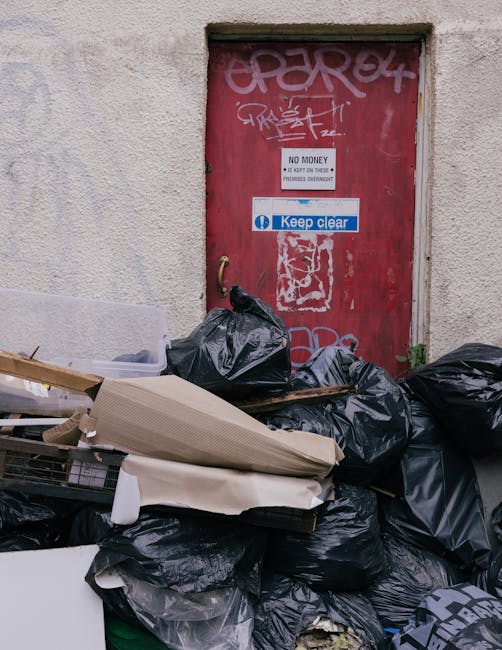
Conclusion
E5 removals compliance with Hackney skip and disposal rules is not about making a move more complicated than it needs to be. It is about making sure the disposal side is sensible, lawful, and calm enough that you can get on with the rest of the day. When you separate items early, choose the right disposal route, and plan around access and timing, the entire move becomes easier to manage.
That is the real win here. Not perfection. Not overthinking every bag and box. Just a clear, practical system that stops waste from becoming the thing that derails your move. And if you are honest, that is a relief.
If you are preparing a move in Clapton or nearby and want the disposal side handled without the usual faff, it helps to speak with a team that understands local access, parking, and loading realities as well as the moving job itself. A short conversation now can save a long headache later.
Get a free quote today and see how much you can save.

