






Hackney Council bulky waste rules for removals and disposal
Posted on 26/06/2026

If you are trying to clear a sofa, mattress, wardrobe, or a pile of old household items, the rules can feel oddly fiddly. One minute you are dealing with a broken chest of drawers, the next you are wondering whether the council will collect it, how it needs to be presented, and what happens if you mix in the wrong bits. That is exactly where a clear guide to Hackney Council bulky waste rules for removals and disposal helps. It saves time, avoids awkward mistakes, and makes the whole job feel a lot more manageable.
In plain English, bulky waste is anything too large for your normal bin collection. But the practical side matters more than the label: what counts, what can be collected, what must be separated, and when a removal service or private clearance may make more sense. Let's walk through it properly, without the jargon and without the fluff.
Why Hackney Council bulky waste rules for removals and disposal Matters
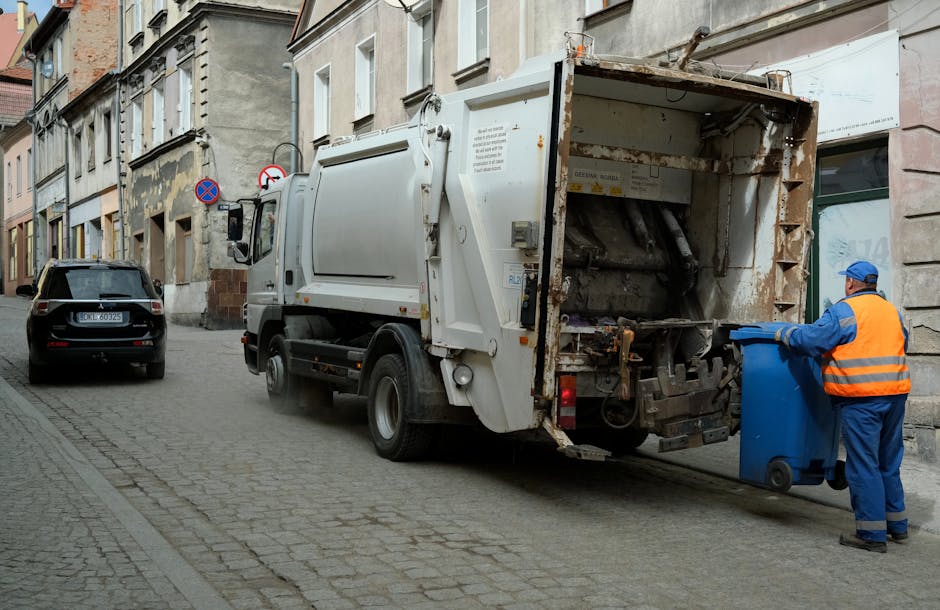
Bulky waste sounds simple until you are standing in a hallway with a damaged sofa and no lift access. Then the details matter. Hackney Council bulky waste rules exist to keep streets tidy, reduce fly-tipping, and make sure large items are handled safely and responsibly. For residents, that translates into a few important things: you need to know what the council will take, how items should be prepared, and what kind of waste may need a different route altogether.
There is also a money angle. A rushed decision can lead to avoidable costs, missed collections, or the temptation to leave things outside "just for now". That usually ends badly. To be fair, most problems happen because people are in a hurry, not because they are careless. A clear plan makes all the difference.
For anyone moving house, clearing a flat, or replacing furniture, the rules are especially useful. A bulky waste collection can work well if you have one or two items and enough time to book ahead. If you have multiple pieces, mixed materials, or awkward access, a removal and disposal plan may be the more efficient route. If you are decluttering before a move, you may also find our guide to decluttering your home before a move helpful, because the less you keep, the easier the disposal stage becomes.
Expert summary: The smartest bulky waste plan is rarely the fastest one. It is the one that matches the item, the access, the timeline, and the disposal route. Get those four things right and the rest usually falls into place.
How Hackney Council bulky waste rules for removals and disposal Works
While exact service details can change, the basic process usually follows the same pattern. You identify the items, check whether they qualify as bulky waste, arrange the collection in the way the council requires, and present the waste properly on the agreed day. Simple enough, but each step has a few practical wrinkles.
What usually counts as bulky waste
Bulky waste typically includes large household items that will not fit in normal domestic bins. Think of items like sofas, armchairs, tables, mattresses, wardrobes, bed frames, and some white goods. The key thing is not just size, though. Condition and composition matter too. If an item contains different materials, broken glass, electrical parts, liquids, or sharp edges, it may need special handling.
What councils commonly expect from residents
In most council-led bulky waste schemes, items need to be ready for collection and placed in the agreed location. That often means a ground-floor or kerbside handover, not a full indoor collection. If a property has tight stairs, a narrow hallway, or no easy parking, that becomes relevant very quickly. Anyone who has ever tried to drag a three-seater sofa through a Victorian terrace will know exactly what I mean.
That is why many residents compare council collection with a specialist removal service. The council route may be suitable for standard items and planned clearances, while a removal crew can help with heavier lifting, awkward access, and bundled loads. If you are dealing with furniture specifically, our page on furniture removals in Clapton can be a useful place to understand the practical side of moving bulky household pieces.
Accepted items and restricted items
Every council has its own accepted and restricted list, so it is always worth checking the current guidance before you set anything aside. As a general rule, large furniture is often easier to handle than mixed or hazardous waste. Items such as paints, chemicals, gas cylinders, fridges with refrigerant, and certain electricals may need separate treatment. That is not the council being awkward; it is about safety and lawful disposal.
White goods also deserve a bit of caution. A freezer, for example, may need proper defrosting and safe preparation before collection or storage. If that is your situation, our article on storing freezers during periods of inactivity gives some practical pointers that can also help before disposal.
Key Benefits and Practical Advantages
The obvious benefit is convenience. You clear space without trying to cram a sofa into a small car or risk damage by moving it badly. But the real value runs deeper than that.
- Cleaner disposal: You reduce the chance of illegal dumping or items ending up on the pavement for days.
- Safer handling: Large or heavy objects are removed without the strain of DIY lifting.
- Better planning: Knowing the rules helps you organise a move, refurbishment, or declutter properly.
- Less waste confusion: You can separate reusable, recyclable, and non-recyclable items early.
- Fewer surprises: You are less likely to face delays because an item was not prepared correctly.
There is also a local benefit that people sometimes overlook: a tidy, well-managed disposal process is simply less stressful for neighbours and building managers. In shared blocks, clutter in hallways or on the street can create friction fast. If you live in a flat, our flat removals Clapton page can help you think through access and handling issues before waste day arrives.
And if your waste clear-out is part of a wider move, it can be worth reading about moving out clean with confidence. A move always feels lighter when the unwanted stuff is gone first. Literally and mentally.
Who This Is For and When It Makes Sense
Bulky waste guidance is useful for more people than you might think. It is not just for those doing a full house clear-out. In practice, it matters whenever large items need to leave a property safely and legally.
Typical situations
- Replacing a sofa, bed, mattress, or wardrobe
- Clearing a rental property before the end of a tenancy
- Decluttering before exchange, completion, or refurbishment
- Emptying a room after student accommodation changes
- Disposing of office furniture after a layout change
- Managing the aftermath of a last-minute move
Students, renters, homeowners, landlords, and small businesses all run into bulky disposal problems. If you are a student moving between terms, our student removals Clapton page may be useful because student moves often involve a mix of bags, small furniture, and last-minute waste sorting. The timing is rarely elegant, let's face it.
Office users have a slightly different challenge. Desks, chairs, filing units, and monitors may need separate handling, and the route you choose should reflect that. For that reason, our office removals Clapton page may be relevant if your bulky waste is part of a business move or workspace clear-out.
If the issue is simply that you have too much to shift safely on your own, you may be better off planning the removal stage first and the waste stage second. A good example is a flat move where an old sofa, broken shelving, and boxed clutter all need to go in the same week. That sort of job is where structured help starts to pay for itself. In our experience, people usually breathe out once the biggest item is gone. You can almost hear the room settle.
Step-by-Step Guidance
If you want a smooth outcome, treat bulky waste as a mini project. It is much easier that way. Here is a practical sequence that works well whether you use the council, a private collection, or a combination of both.
- List the items clearly. Note size, material, condition, and whether anything is heavy, sharp, or electrical.
- Separate what can still be reused. Some items may be better donated, sold, or passed on rather than treated as waste.
- Check the collection rules. Confirm what the council accepts, how items must be presented, and whether booking is required.
- Measure access. Hallways, stair widths, lift size, loading space, and parking can all affect the plan.
- Prepare the items. Empty drawers, remove loose fittings, tape up doors if needed, and secure anything sharp.
- Move items safely. Use proper lifting technique, gloves where appropriate, and a second person for awkward objects.
- Set the collection point. Place items only where allowed and only at the correct time.
- Confirm completion. Once collected, check that nothing has been left behind or scattered.
If you are moving awkward furniture as part of this process, it helps to think about handling before disposal. A piece that is too bulky to move properly may need disassembly first, and a bit of smart packing can prevent scratches and dropped fittings. Our article on smart packing solutions is worth a look if your clearance overlaps with a move.
And for heavier items, do not wing it. A quick read on solo techniques for lifting heavy objects may make one thing clear: solo lifting has a point where common sense should step in and call for help.
Expert Tips for Better Results
Here is where small decisions save big headaches. These are the little details that people often skip when they are in a rush.
1. Do the sorting before collection day
Mixing all your unwanted items into one corner sounds efficient, but it usually creates a mess later. Split items into categories: bulky waste, recycling, reusable items, and anything that needs special treatment. You will notice the job feels less chaotic immediately.
2. Plan around access, not just item size
A tiny hallway can turn a straightforward collection into a two-person puzzle. Tight staircases, shared entrances, permit parking, and time restrictions often matter more than the size of the sofa itself.
3. Keep electrical and non-electrical items separate
Even when items look similar, the disposal route may differ. Fridges, freezers, and some electronic items may have different handling requirements from timber furniture or fabric items.
4. Leave enough time for collection windows
Same-day thinking is tempting, especially when a landlord has given you a deadline. But bulky waste schemes are usually easier when booked in advance. If you are in a real bind, a same-day removal option may be more practical than waiting and hoping. Our same-day removals Clapton page is relevant if speed is the main pressure.
5. Use professional help for awkward items
Pianos, large wardrobes, heavy sofas, and antique furniture can all be surprisingly awkward. If you want help with difficult pieces, the specialist guidance on piano removals Clapton may also show you how careful handling reduces risk in general. A piano is not a bin-day item, obviously, but the handling principles are similar: protect the item, protect the property, protect your back.
Small human truth here: the job almost always looks easier before you start. Once you get the first item through the doorway, the rest feels more possible. Funny how that works.

Common Mistakes to Avoid
This is the part that saves people from nuisance problems. None of these mistakes are dramatic on their own, but together they create delays, extra costs, and a lot of unnecessary stress.
- Leaving items outside too early. This can create obstruction, complaints, or weather damage.
- Assuming every item is accepted. Not all bulky waste is treated the same way.
- Ignoring weight and access issues. A heavy item on a narrow staircase is not just inconvenient; it can be dangerous.
- Forgetting to empty items. Drawers, cabinets, and appliances should usually be checked carefully.
- Mixing hazardous contents with household waste. This is one of the quickest ways to create a problem.
- Waiting until the last day. That is how people end up paying more or improvising badly.
There is one other common issue: people plan the collection but forget the route from room to kerb. Sounds obvious, but you would be surprised. A sofa might fit the front door and still snag on a stair bend. If that happens, you may need to disassemble it or use a different removal approach. For furniture planning, our guide on storing your sofa effectively can also help you think about dimensions, protection, and access.
And if the item is a bed or mattress, check the route carefully before moving it. Mattresses bend more than people expect, and bed frames often hide loose fittings in the most annoying places. The piece on relocating your bed and mattress is handy for that awkward middle ground between moving and disposal.
Tools, Resources and Recommendations
You do not need fancy equipment, but a few basics make bulky waste handling much safer and calmer.
| Tool or resource | What it helps with | Best use case |
|---|---|---|
| Measuring tape | Checking item size and access clearance | Sofas, wardrobes, bed frames, tight hallways |
| Gloves | Protecting hands from splinters, dirt, and sharp edges | General sorting and handling |
| Furniture blankets | Preventing marks on walls and doorframes | Moves through narrow homes or shared spaces |
| Tape and labels | Keeping loose parts together and items identified | Flat packs, drawers, appliances |
| Second pair of hands | Safer lifting and better control | Heavy or awkward furniture |
| Professional removal support | Handling, loading, transport, and disposal coordination | Time-sensitive or large-volume clear-outs |
If your bulky waste is part of a full move, then broader moving support can be useful too. Our services overview is a sensible starting point, while man with a van Clapton and man and van Clapton can help when the job is more about loading, transport, and flexible handling than formal waste collection alone.
For people who prefer to plan everything properly, our recycling and sustainability page is also relevant, because disposal choices are rarely just about "getting rid" of something. Good practice means choosing the route that is safest, lawful, and least wasteful where possible.
Law, Compliance, Standards, or Best Practice
When bulky waste is involved, the big principle is straightforward: do not dump items illegally, and do not leave waste in a way that creates a hazard or obstructs others. In the UK, household waste disposal is taken seriously, and local council rules are part of that wider framework. The exact Hackney process may vary over time, so the safest approach is always to check the latest council guidance before you act.
Best practice is less about memorising rules and more about following a few reliable standards:
- Present items only as instructed and only at the agreed time.
- Keep hazardous materials separate from general bulky waste.
- Use safe lifting and loading methods.
- Respect shared spaces, neighbours, and parking restrictions.
- Choose reuse or recycling where feasible before disposal.
There is also a duty of care angle in practical terms: if you hand waste to someone else, you still want confidence it is being dealt with properly. That is one reason people look for established removal firms with clear policies. If you want to understand a company's approach to safety and responsible handling, our insurance and safety and health and safety policy pages may be useful background reading.
One more thing: disposal choices should not undermine accessibility or create unnecessary clutter in shared buildings. That matters in blocks with limited space. If you are unsure, keep the presentation tidy, minimise obstruction, and ask for guidance rather than guessing. Guessing tends to be where the trouble starts.
Options, Methods, or Comparison Table
For most people, the real decision is not simply "what are the rules?" It is "which route is best for my situation?" Here is a practical comparison.
| Option | Best for | Pros | Trade-offs |
|---|---|---|---|
| Council bulky waste collection | One-off or limited items, planned clear-outs | Simple, locally managed, suited to standard household waste | May require advance booking and item preparation |
| Private removal and disposal service | Multiple items, heavy furniture, awkward access | More flexible, often better for lifting and transport | Cost depends on load, access, and time required |
| Reuse, resale, or donation | Items still in usable condition | Reduces waste and can free space responsibly | Takes more sorting and coordination |
| Storage before disposal | When timing is uncertain | Buys time for a better decision | Not ideal if you need immediate clearance |
If your goal is to move the item out of the way quickly but you are not ready to decide its final destination, temporary storage can be a very practical bridge. Our storage Clapton page is useful for that sort of in-between stage.
If the job is time-sensitive, you may also want to compare standard removal planning with faster options. Sometimes the best answer is not the cheapest one, it is the one that prevents two separate jobs from turning into four. Annoying, yes. But true.
Case Study or Real-World Example
Picture a second-floor flat near a busy road in Hackney. The resident has a sofa, a broken bookcase, and an old mattress to get rid of before the end of the month. The flat has a narrow staircase, no lift, and limited street space outside. On paper, it looks like a straightforward tidy-up. In reality, the access is the issue.
The first step is sorting. The mattress is bulky waste, the bookcase may be suitable for disposal or breakdown, and the sofa needs checking for reusable parts. The resident measures the stair width, decides the bookcase should be dismantled, and separates cushions and loose fittings. That already reduces risk. Then the choice becomes simple: if the council collection fits the timeline and presentation rules, it is booked. If not, a removal service takes the heavier lifting and transport work off the resident's shoulders.
What made the difference here was not speed. It was sequence. The resident did not start by moving the sofa. They started by checking the route, the timing, and the item mix. A small thing, but it changed the entire feel of the job. By the afternoon, the room sounded different too - less thud, less clutter, more air. Funny how satisfying that can be.
If you are facing a similar move near busy streets or tricky parking, the local guidance in our Clapton Common removals guide for narrow streets and parking and avoid delays on moving day articles can help you think through the access side before collection day arrives.
Practical Checklist
Use this checklist before arranging bulky waste removal or disposal. It is simple, but it works.
- Identify every item you want removed
- Check whether each item is reusable, recyclable, or waste
- Confirm the council's current bulky waste guidance
- Measure access points, stairs, and doorways
- Clear drawers, shelves, and loose contents
- Remove or secure sharp, fragile, or detachable parts
- Arrange help for heavy or awkward items
- Set the correct collection point and time
- Keep hazardous materials separate
- Have a fallback plan if the collection is missed or delayed
If you are preparing for a household move alongside disposal, a good packing routine helps more than people expect. Our packing and boxes Clapton page is worth a look if you want the moving side to stay tidy while the waste side gets sorted.
And if the whole project is happening under time pressure, sometimes the calmest move is the one that gets proper help early. There is no medal for doing the heaviest lifting alone.
Get a free quote today and see how much you can save.
Conclusion
Hackney Council bulky waste rules for removals and disposal are not there to make life difficult. They exist to keep disposal safe, organised, and fair for everyone in the borough. Once you understand what counts as bulky waste, how items need to be prepared, and when a different disposal route makes more sense, the job becomes far less stressful.
The main lesson is simple: match the method to the item. One sofa? Council collection may be enough. A full clear-out, heavy furniture, or awkward access? A removal and disposal plan is often the cleaner solution. Either way, good preparation beats last-minute improvising every time.
And if you are doing this as part of a move, remember that clearing first usually makes everything else easier. The room feels lighter. The day feels shorter. The whole thing just goes a bit smoother, which is no bad thing at all.

